
Creating a relaxing home office environment is essential for maintaining focus, reducing stress, and improving overall productivity. Whether you work from home full-time or occasionally bring tasks to your personal space, setting up a calm and comfortable workspace can make a big difference in your daily experience. Here are some practical tips to help you design a home office that feels inviting and supports your best work.
1. Choose the Right Location
Selecting the ideal spot for your home office is the first step toward creating a relaxing environment.
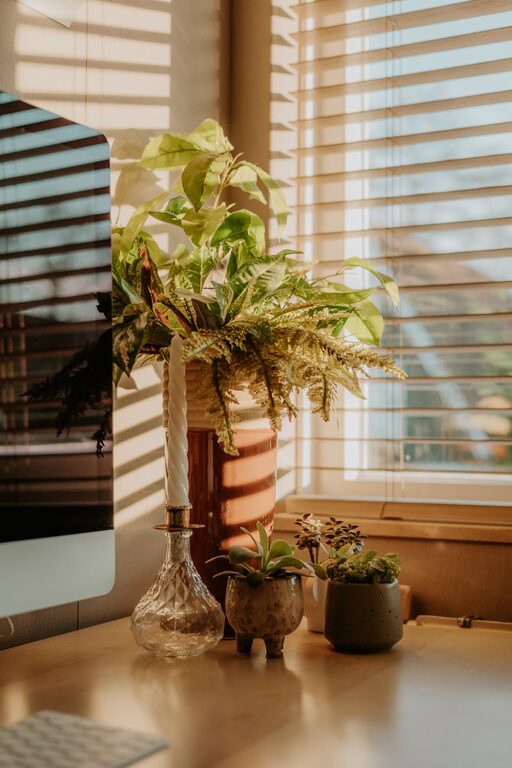
– Natural Light: Try to set up your office near a window to benefit from natural daylight. Sunlight can boost mood and energy levels while reducing eye strain.
– Quiet Area: Pick a quiet corner or room away from household noise and distractions, especially if you need to take calls or concentrate deeply.
– Comfortable Space: Ensure your space is large enough to fit your desk, chair, and any equipment without feeling cramped.
2. Invest in Comfortable Furniture
Comfort is key to feeling relaxed during work hours.
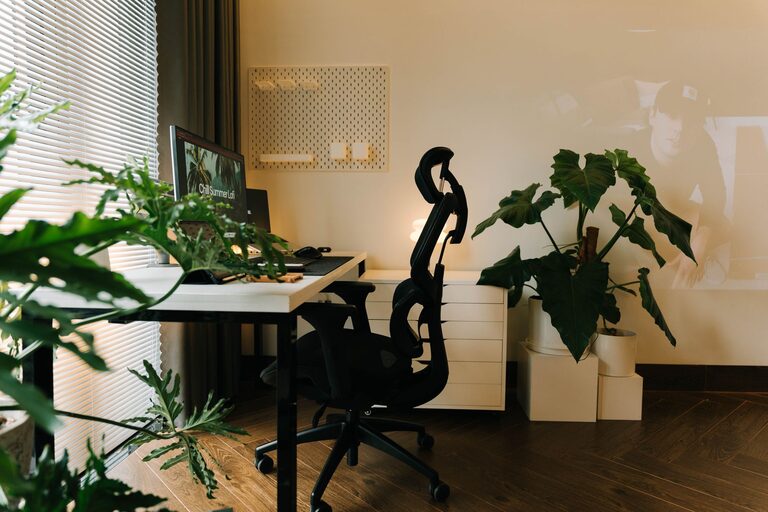
– Ergonomic Chair: Choose a chair that supports good posture. Features like adjustable height, lumbar support, and cushioned seating can prevent back pain.
– Appropriate Desk: Your desk should be the right height and size for your tasks. Consider a standing desk or a sit-stand converter to alternate positions throughout the day.
– Decluttered Surfaces: Keep your desk tidy to avoid distractions and maintain mental clarity.
3. Optimize Lighting
Good lighting reduces eye strain and creates a pleasant atmosphere.
– Layered Lighting: Combine ambient lighting (ceiling lights) with task lighting (desk lamps) to illuminate your workspace effectively.
– Warm Light Bulbs: Use bulbs that emit warm, soft light in the evening to help you relax and reduce fatigue.
– Adjustable Lighting: A lamp with adjustable brightness can help you tailor lighting based on the time of day or task.
4. Personalize Your Workspace
Adding personal touches can make your office space feel welcoming and uniquely yours.
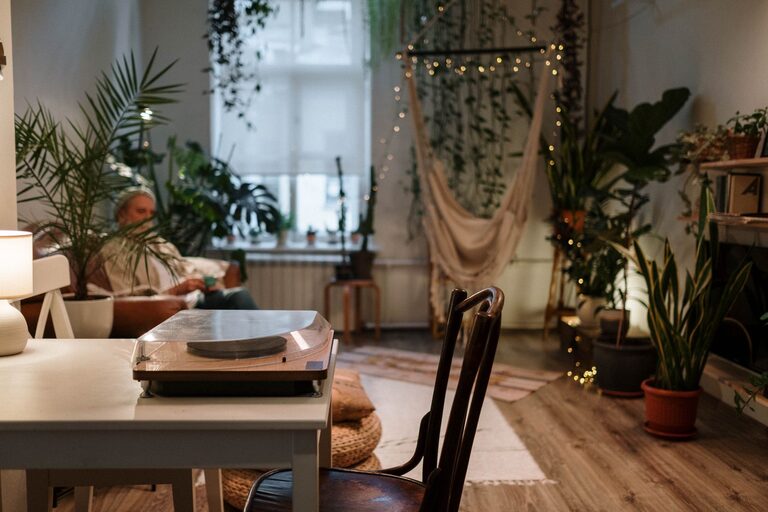
– Plants: Indoor plants enhance air quality and add a sense of calm. Low-maintenance options like succulents or snake plants work well indoors.
– Artwork and Photos: Hang calming artwork or photos that inspire you without overwhelming your senses.
– Organizers: Use decorative storage boxes, baskets, or trays to keep paperwork and supplies in order.
5. Manage Noise Levels
Controlling noise can significantly improve concentration and reduce stress.
– Soundproofing: If possible, use rugs, curtains, and soft furnishings to absorb sound.
– White Noise: Consider a white noise machine or soft instrumental music to mask disruptive sounds.
– Headphones: Noise-canceling headphones can be helpful if you work in a noisy environment.
6. Maintain Good Air Quality and Temperature
A fresh atmosphere helps you stay alert and comfortable.
– Ventilation: Open a window regularly to circulate fresh air, or use an air purifier if ventilation is limited.
– Temperature Control: Adjust your heating or cooling to stay comfortable; being too hot or cold can distract you.
– Humidity: A humidifier can help maintain moisture during dry seasons, which prevents irritation in your throat and eyes.
7. Establish a Routine and Boundaries
A relaxing environment also depends on how you manage your work habits.
– Set Work Hours: Define your working schedule to separate work time from relaxation time.
– Take Breaks: Use regular breaks to stretch, move around, or practice deep breathing to refresh your mind.
– Minimize Distractions: Turn off non-essential notifications and keep your phone on silent during focused work periods.
8. Incorporate Relaxation Elements
Small relaxation features can improve your mood and reduce stress.
– Aromatherapy: Use essential oils or scented candles with calming scents like lavender or eucalyptus.
– Comfort Items: Have a cozy blanket or a stress ball at hand for comfort during intense work periods.
– Mindfulness Corner: If space allows, include a small area with cushions or a chair for brief meditation or relaxation exercises.
—
By adopting these tips, you can transform your home office into a peaceful retreat that encourages productivity without sacrificing comfort. Remember, the goal is to create a space that supports your work and your well-being. Start small and adjust your setup as you discover what makes you feel most relaxed and focused.