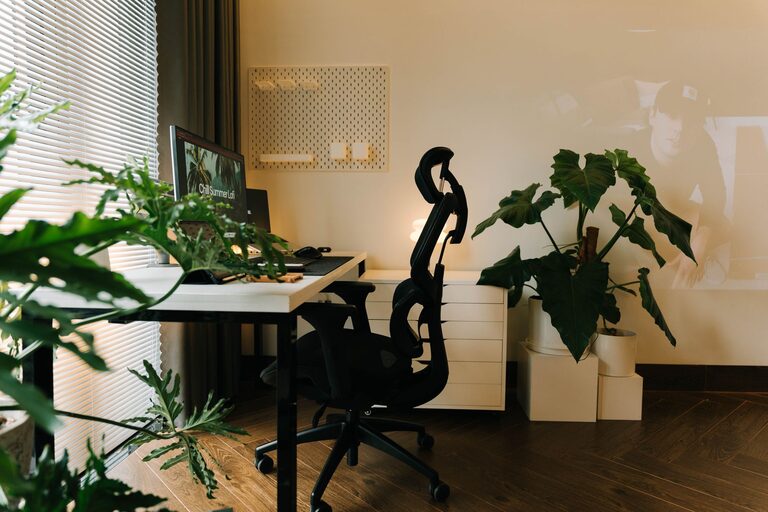

Creating a cozy and inviting home workspace is more important than ever as many people spend significant time working remotely. A carefully designed workspace not only enhances productivity but also promotes comfort and well-being. Whether you have a dedicated room or just a small corner, these tips will help you transform your space into a pleasant and functional area you’ll look forward to using each day.
1. Choose the Right Location
The foundation of a cozy workspace starts with selecting the best spot in your home.
– Natural Light: Try to position your workspace near a window where you can benefit from natural sunlight. Natural light helps improve mood and focus.
– Minimize Distractions: Choose a quiet area away from high-traffic zones to help maintain concentration.
– Comfortable Temperature and Airflow: Ensure the space has good ventilation and a comfortable temperature to keep you refreshed.
2. Invest in Comfortable Furniture
Comfort is crucial, especially if you spend long hours working.
– Ergonomic Chair: Select a chair that supports your posture. Adjustable height and lumbar support are ideal for reducing strain.
– Sturdy Desk: Choose a desk suitable for your equipment and working style. A clean, organized surface makes work easier and more enjoyable.
– Footrest or Cushion: Adding a footrest or seat cushion can greatly enhance comfort.
3. Personalize Your Space
Personal touches make your workspace inviting and uniquely yours.
– Decor: Add items that inspire you such as artwork, plants, or framed photos. Greenery is especially helpful, as plants have been shown to reduce stress.
– Color Scheme: Use colors that relax and motivate you. Soft neutrals or calming blues work well for many, while brighter hues can stimulate creativity.
– Lighting: Besides natural light, ensure your workspace is well-lit with warm, adjustable lamps to reduce eye strain and create a cozy atmosphere.
4. Organize Intelligently
An organized space encourages clearer thinking and reduces stress.
– Storage Solutions: Use shelves, baskets, or drawers to keep supplies tidy. Avoid clutter on your desk.
– Cable Management: Employ clips or cable boxes to hide wires and maintain a clean look.
– Essential Tools Within Reach: Keep frequently used items close by to improve workflow.
5. Add Comfort Accessories
Small accessories can add layers of comfort and warmth.
– Rugs and Cushions: Soft rugs underfoot and cushions on chairs make the space physically inviting.
– Blankets or Throws: Having a throw blanket nearby adds coziness and a sense of relaxation.
– Scent: Light a scented candle or use an essential oil diffuser with calming aromas like lavender or eucalyptus to create a peaceful environment.
6. Incorporate Technology Thoughtfully
Technology should support, not distract you.
– Quality Equipment: Invest in a reliable computer, headphones, and other devices to help you work efficiently.
– Noise Control: Use noise-cancelling headphones or white noise machines if you deal with background noise.
– Screen Positioning: Keep your monitor at eye level to prevent neck strain, and adjust brightness to avoid eye fatigue.
7. Establish Boundaries
To maintain a welcoming workspace, it’s important to keep a good balance between work and personal life.
– Workspace Separation: If possible, keep your workspace separate from leisure areas to help switch off after work.
– Set Work Hours: Define specific times for working and breaks so your workspace remains a place for focus.
– Break Spots: Create a nearby area to relax during breaks, which will support your overall comfort and productivity.
—
By combining these elements, you can create a home workspace that feels both cozy and practical. A welcoming environment not only supports your professional goals but also contributes to your overall happiness and well-being throughout the workday. Start small, make thoughtful choices, and enjoy crafting a space that truly works for you.